What to Do After a Bicycle Crash: Advice From a Denver Bicycle Accident Lawyer
@angeloxcvy353
September 23, 2026 · 14 min read

A bicycle crash scrambles more than your route home. It scrambles memory, judgment, and priorities. One minute you are watching traffic at an intersection or scanning for a driver about to turn across the bike lane, and the next you are on the pavement trying to figure out whether your wrist is broken, whether your front wheel is bent, and whether the driver who hit you is even going to stay.
That first hour matters. So do the next few days.
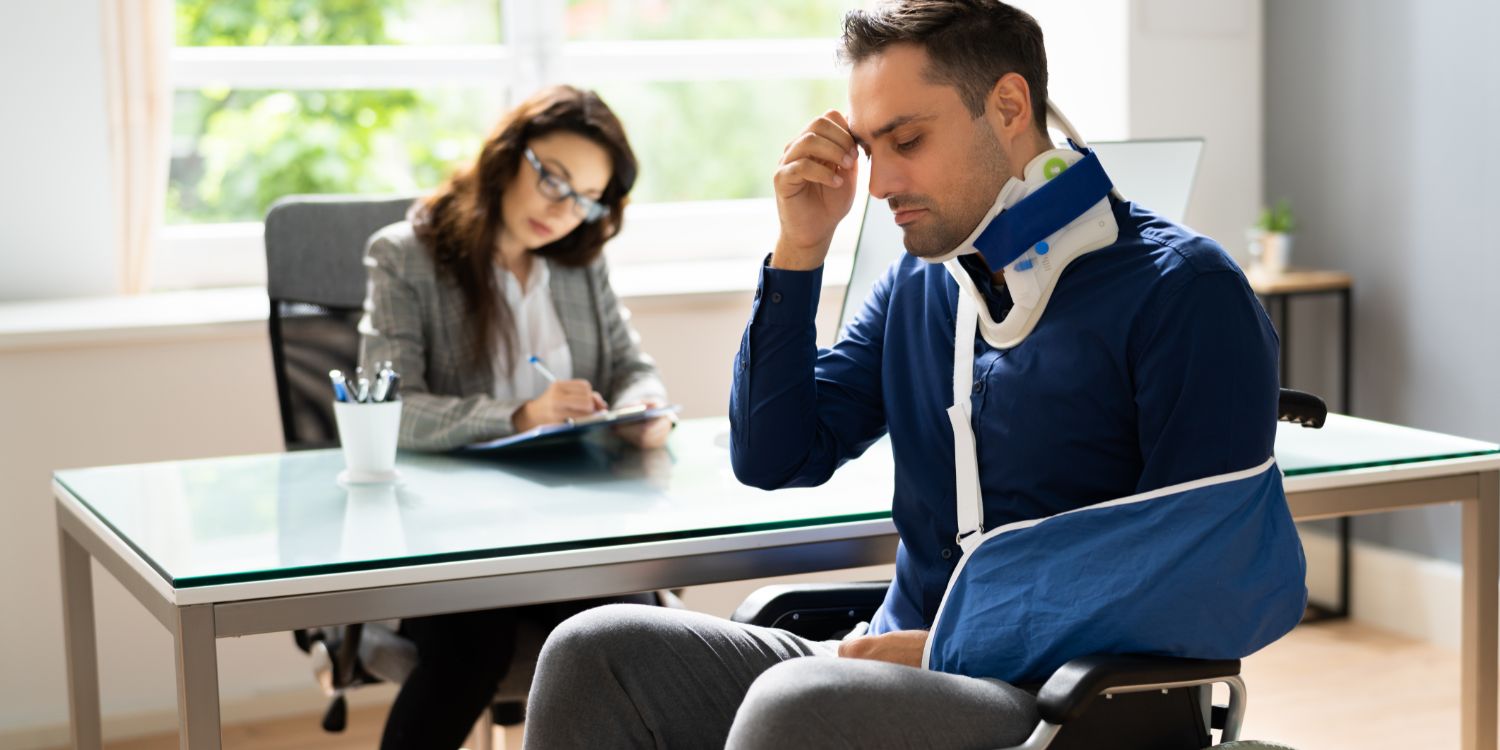
I have seen too many injured riders make the same understandable mistakes. They apologize reflexively. They decline medical care because adrenaline is masking the pain. They trust an insurer to “take care of it.” They wait too long to document what happened. Later, when the soreness turns into a diagnosed concussion or a shoulder injury that keeps them off work for weeks, the record is thin and the insurer starts treating the claim like a dispute instead of a real injury.
If you were hurt in a crash, the practical steps you take now can affect both your health and any legal claim you may have. The guidance below reflects what a Denver bicycle accident lawyer would usually want a client to do, not because it is theatrical or legalistic, but because bicycle cases often turn on details that disappear quickly.
The first priority is your body, not the bike
Cyclists are used to shaking things off. That instinct can work against you after a crash. A rider can be walking, talking, and convinced they are fine while dealing with a concussion, internal bruising, or a fracture that does not fully show itself until swelling sets in.
If there is any chance you hit your head, lost consciousness, feel dizzy, have neck pain, trouble focusing, nausea, or unusual fatigue, get evaluated. If your chest, abdomen, or back took the impact, take that seriously too. Road rash looks dramatic, but the injuries beneath it often matter more.
In Denver, I have seen clients feel “mostly okay” at the scene and then wake up the next morning unable to rotate a shoulder or bear weight on a knee. That delay is common. It also creates a problem if you never seek treatment, because the insurance company will later argue that you were not really hurt or that something else caused the symptoms.
Medical care does two jobs at once. It protects your health, and it creates a timely record linking the crash to the injury.
What to do at the scene, if you can do it safely
Your memory of the crash will fade faster than you expect, especially if you are shaken up or have a head injury. The scene also changes quickly. Cars move, witnesses leave, and weather or traffic can erase marks on the road.
If you are physically able, focus on a few essentials:
- Call 911 or ask someone nearby to do it, especially if there is any injury, a vehicle involved, or a dispute about fault.
- Get the driver’s name, contact information, license plate number, and insurance details.
- Take photos of the bike, the vehicle, the roadway, traffic controls, debris, skid marks, and your visible injuries.
- Get names and phone numbers for witnesses, particularly neutral bystanders.
- Say only what is necessary, and do not guess about fault or minimize your injuries.
That last point deserves emphasis. After a crash, decent people often say things like “I’m okay,” “I didn’t see you either,” or “It was probably my fault too.” Those words can haunt a claim. Being polite is fine. Speculating is not.
If the driver leaves, or if this was a hit-and-run, tell police immediately and preserve every detail you can remember. The color and type of vehicle, part of a plate number, business markings, the direction of travel, and any nearby cameras can all matter.
Why the police report helps, even when it is imperfect
A police report is not the final word on liability, and officers do not always get every detail right in bicycle cases. Still, the report usually becomes one of the first documents insurers review. It can identify the parties, note witness names, describe the location, and record whether a citation was issued.
If an officer misunderstands what happened, do not panic. That can often be addressed later through photos, witness statements, medical records, scene evidence, and a fuller factual investigation. What matters in the moment is making sure the crash is reported and that your basic account is documented.
Ask how to obtain the report number before you leave the scene or the hospital. Then follow up and read the report carefully once it becomes available. If there are significant factual errors, a lawyer can advise you on the best way to address them.
The evidence people forget to save
Bicycle accident cases are won and lost on evidence that seems ordinary at first. The torn jacket, the cracked helmet, the Garmin data, the text you sent your spouse right after the crash saying your shoulder was killing you, the shop estimate showing the carbon fork failed, the surveillance camera mounted on a coffee shop near the intersection, all of it can matter.
Keep the bike exactly as it was after the crash until photos are taken and, if needed, it is inspected. Do not rush to repair it. The same goes for your helmet, clothing, lights, bags, and any broken accessories. Damage patterns can help reconstruct what happened.
If you use a cycling computer, smartwatch, phone app, or e-bike system that recorded speed, route, or braking, preserve that data. Screenshot it, export it, and back it up. If there may be security footage nearby, act quickly. Many systems overwrite footage in days, not months.
A rider in Denver might assume an intersection with traffic signals or a storefront automatically means permanent video exists. Often it does not, or it gets erased before anyone asks for it. Speed matters.
Do not let a driver’s insurer set the pace
The other driver’s insurance company may contact you quickly. Sometimes the https://emilianogzcf301.keystonescope.com/posts/what-happens-if-a-bicycle-accident-in-denver-involves-multiple-vehicles adjuster sounds helpful, which makes sense because early cooperation often benefits the insurer. They may ask for a recorded statement, broad medical authorizations, or quick settlement discussions before your injuries are fully understood.
You are not required to hand over your case on their timeline.
A recorded statement can lock you into imprecise language before you know the medical picture. A broad authorization can give the insurer access to far more of your history than is necessary. An early settlement can be far too low if symptoms worsen, treatment expands, or lost income continues longer than expected.
This is where speaking with a Bicycle Accident Lawyer Denver riders can trust makes a practical difference. Good counsel does not turn every case into a war. Often, it simply creates order. Someone gathers the records, preserves evidence, communicates with insurers, and makes sure a temporary calm does not become a permanent undervaluation of a serious injury.
Fault in bicycle crashes is rarely as simple as drivers make it sound
Drivers often say some version of the same thing after a collision: “I never saw the cyclist.” That statement can reflect inattention, but it can also be the opening move in a blame-shifting narrative. Bike cases frequently involve familiar patterns.
A right hook happens when a driver passes a cyclist and immediately turns right across the rider’s path. A left-turn crash happens when a driver turns in front of an oncoming cyclist. Dooring occurs when someone in a parked car opens a door into traffic without checking. There are also rear-end collisions, lane-change sideswipes, failures to yield, and crashes where road defects or poor maintenance play a role.
Sometimes the cyclist made a mistake too. Maybe the rider was moving faster than conditions allowed, did not have lights at dusk, or was filtering through stopped traffic in a way that becomes a factual issue later. That does not automatically destroy a claim. Colorado negligence rules can be complex, and partial fault does not necessarily bar recovery. What matters is an honest, evidence-based analysis, not a reflexive assumption that the larger vehicle must have the stronger story.
This is one reason prompt investigation matters. Once the cyclist is framed as hard to see, unpredictable, or “came out of nowhere,” the case becomes harder to unwind if the physical evidence was never preserved.
Medical treatment is not just about the emergency room
An emergency room visit is only the beginning in many bike injury cases. Riders often deal with a sequence of care that unfolds over weeks or months: urgent care, orthopedics, physical therapy, imaging, neurology, occupational therapy, dental care, or mental health support.
That treatment path is normal. It does not mean you are exaggerating. It means bicycle crashes can create layered injuries, especially when one side of the body takes the impact or when a rider twists during the fall. Common examples include wrist fractures from bracing, clavicle injuries, shoulder labrum tears, knee trauma, facial injuries, and post-concussive symptoms that interfere with work long after cuts and bruises have healed.
Follow through with recommended care. Missed appointments and long gaps in treatment create openings for the insurer to argue that you recovered quickly or were not committed to getting better. If cost is a concern, say so early. A lawyer may be able to help you understand available insurance coverage or treatment options while the claim is pending.
The damages in a bicycle case go beyond the obvious
People tend to think in terms of hospital bills and a broken bike. Real losses are usually broader than that. A strong claim tries to account for the full impact of the crash, not just the invoice from the first day.
Potential damages can include:
- Medical expenses, both current and reasonably expected future care.
- Lost wages, missed freelance income, reduced earning capacity, or used sick leave and PTO.
- Pain, suffering, inconvenience, and loss of normal life during recovery.
- Property loss, including the bike, helmet, clothing, electronics, and accessories.
- Scar-related, dental, or long-term functional problems that affect daily living.
For serious cyclists, there is another layer that is hard to quantify but very real. A person may lose a primary mode of transportation, a fitness routine, a social community, and a major source of stress relief all at once. If the injury prevents commuting by bike or returning to long rides in the foothills, that loss can be deeply felt. It should be described concretely, not vaguely.
Denver-specific realities that shape these cases
Denver has more people riding for transportation than it did a generation ago, and with that growth comes a stubborn mismatch between road design, driver expectations, and rider vulnerability. Some crashes happen on busy arterials where bike lanes disappear at exactly the wrong moment. Others happen downtown, where delivery traffic, rideshare drop-offs, parked cars, and turning vehicles create constant conflict points.
Weather also matters. Snowmelt, gravel, potholes, and freeze-thaw damage can turn a routine route hazardous. If a dangerous roadway condition contributed to the crash, the legal analysis may look different than a standard car-versus-bike collision. Claims involving a government entity can involve shorter notice requirements and different procedures. That is not a reason to panic, but it is a reason not to wait.
I have also seen cases where the bike itself becomes an issue. A high-end road bike or e-bike may carry significant replacement cost, and some insurers are quick to undervalue it by treating specialized equipment like a department-store bicycle. If your frame, wheelset, drivetrain, battery system, or custom fit components were damaged, detailed photos, purchase records, and a qualified shop estimate help ground that part of the claim in reality.
Timing matters more than most people realize
A legal deadline may seem far away right after a crash, but delay creates practical problems long before any statute of limitations becomes the issue. Witnesses disappear. Surveillance footage is erased. Your own recollection gets fuzzier. Injuries that should have been documented early become harder to tie directly to the collision.
There is also an important distinction in Colorado cases depending on how the injury happened. Some claims connected to motor vehicle collisions may carry different time limits than claims not involving a motor vehicle. Claims against public entities can raise separate notice rules and shorter windows. Because those details can change the entire strategy, it is smart to get advice early rather than assume all injury cases follow the same calendar.
Early advice does not obligate you to file a lawsuit. Often, it simply protects options while the facts are still fresh.
When you should talk to a lawyer
Not every bicycle crash requires legal representation. If you had minor scrapes, no real medical treatment, and a straightforward property claim, you may be able to resolve it directly. But certain facts should push you toward getting legal advice sooner rather than later.
If you suffered more than a minor injury, if there is a dispute about fault, if the driver was uninsured or underinsured, if a hit-and-run occurred, if a government vehicle or roadway hazard was involved, or if the insurer is pressuring you for a statement or a fast settlement, call a lawyer.
A Bicycle Accident Lawyer Denver residents hire regularly will usually know the recurring defense themes in local cases. They will know what evidence to request, what mistakes to avoid, and when a claim is being undervalued because the insurer assumes cyclists are hard claimants to present. That local familiarity matters more than people think.
What your own insurance may still have to do with it
Cyclists are often surprised to learn that their own auto policy may matter even though they were on a bike. In some situations, uninsured or underinsured motorist coverage can become important if the at-fault driver has no insurance or not enough of it. Medical payments coverage may also be relevant depending on the policy and facts.
This is one of those edge cases where people can accidentally leave money on the table simply because they assume “I was not driving, so my auto insurance is irrelevant.” It may not be irrelevant at all. A lawyer can review the policies in play and sort out which coverages may apply.
A word about social media and casual updates
After a crash, friends and family will ask how you are doing. Keep those conversations private if you can. Public posts, photos, ride-related check-ins, and optimistic comments such as “Feeling much better” are often stripped of context later.
That does not mean you need to disappear from the internet. It means you should use common sense. If your claim involves a shoulder injury, posting a photo from an event where you are smiling with your arm around someone can be twisted into “full recovery,” even if you were in pain the entire night.
The safer approach is simple: keep your account private, avoid discussing the crash online, and assume anything public may eventually be reviewed by an insurer or defense lawyer.
The hard part people do not expect
For many cyclists, the hardest part is not the first week. It is week six, when the bruises are fading but normal life still has not returned. Work has piled up. Sleep is off. The bike in the garage is still damaged. You start wondering whether you are overreacting, whether the symptoms should be gone by now, whether it is worth the hassle to pursue a claim.
That is exactly when discipline matters.
Keep records. Save receipts. Follow medical advice. Document how the injury affects your commuting, work, household tasks, childcare, exercise, and sleep. If you miss a race, cancel a cycling trip, stop coaching your kid’s soccer team because your knee will not cooperate, or lose contract work because a concussion makes screens unbearable, write it down. Those details turn a generic injury claim into an accurate picture of what this crash actually cost you.
A bicycle collision is not just a traffic event. It is a body event, a work event, and often a lifestyle event. The law cannot undo what happened, but a well-handled claim can at least put a truthful value on the damage.
If you were hit recently, do not wait for the “right time” to get organized. The right time is now, while the facts are still close and the evidence still exists. That is the advice most Denver bicycle accident lawyers would give, and it is advice worth following before a preventable problem becomes a permanent one.